It has recently come to my attention that there is a new Choir Voice collection. I was thinking if this has anything to do with French. I asked ChatGPT about that, here’s the answer:
French does have a significant choral tradition, but it is less globally dominant than Latin, German, or English. Here’s why, and what makes French choral music unique:
 French and Choir Music
 Strengths of French Choral Tradition
French choral music has deep roots, especially in:
1. Medieval and Renaissance polyphony
- Guillaume de Machaut, Josquin des Prez (Franco-Flemish tradition)
- A major foundation of Western polyphonic singing.
2. Catholic sacred music
French composers produced many masses, motets, and oratorios:
- Fauré (Requiem)
- Duruflé (Requiem, Ubi Caritas)
- Poulenc (Gloria, Mass in G)
- Charpentier, Lully, Gounod
These works are core to modern choir repertoires.
3. Modern choral repertoire
France produces a lot of contemporary choral music, especially with:
- Poulenc
- Messiaen
- Jean Berger
- Thierry Machuel
 Why French is less common in international choir music
This comes down to phonetics and tradition:
1. Vowel complexity
French has:
- many closed vowels (u, eu, oeu)
- nasal vowels (on, in, en, un)
These are difficult for non-native choirs to blend smoothly.
2. Less “open” than Latin/Italian
Latin and Italian vowels are clear and uniform → easier to sing in tune.
3. Global repertoire patterns
Because of:
- the Lutheran German tradition,
- Anglican choral tradition,
- and longstanding Latin liturgy,
French simply contributed less volume to choir literature historically.
 But French choral music is beautiful and important
Some iconic French choral pieces sung worldwide:
- Fauré – Requiem
- Duruflé – Requiem
- Poulenc – Gloria
- Poulenc – Quatre motets pour le temps de Noël
- Debussy – Trois Chansons
- Saint-Saëns – Oratorio de Noël
- Ravel – Trois Chansons
- Charpentier – Te Deum
Many of these are in Latin, but a good number are in French.
 Is French commonly sung by choirs today?
- In France, yes — choral singing is quite active.
- Internationally:
- moderately common, especially in classical choirs.
- less common in school or amateur choirs due to pronunciation difficulties.
- contemporary French choral works are gaining popularity.
If you’d like, I can also:
- explain how French pronunciation affects choral singing,
- recommend easy or advanced French choral repertoire,
- compare French choral style to English or German.
If you mean “Is choir music common among native French speakers / in French-speaking countries?”
— then the answer is yes, but in a different way than in Germanic or Baltic countries.
Here’s the clear picture:
Choir culture among French native speakers
1. Choir singing is popular in France, but not “mass-participation” like in Nordic or Baltic countries
In France:
- Many adults sing in community choirs.
- Schools often have choirs but not as universally as in Germany or the Nordics.
- Cathedral and conservatory choirs are strong but smaller in number.
Participation is solid, but not a national identity marker.
Rough comparison (general cultural trend, not exact numbers):
- Very high choral participation: Finland, Sweden, Estonia, Latvia, Germany
- Medium: France, Italy, UK
- Low: Southern Europe & Middle East (except religious choirs)
So French-speaking regions fall into the middle.
2. French-speaking regions with strong choral traditions
France
- Many amateur choirs, especially “chorales” organized by towns.
- Strong emphasis on classical repertoire (Fauré, Duruflé, Poulenc).
- Less emphasis on massive community singing traditions.
Belgium (Wallonia)
- Rich choral tradition, sometimes influenced by the strong Flemish choral culture.
Québec (Canada)
- One of the strongest French-speaking choral cultures.
- Choir participation is more common than in France.
- A lot of folk and contemporary choral music in French.
Switzerland (Romandy)
- Choral music is quite active, especially church and community choirs.
3. Do French native speakers prefer singing in French?
Not always.
They often sing:
- Latin (very common)
- French (especially folk, chansons, sacred works)
- English (for pop/choral adaptations)
- Other languages (German, Italian) depending on repertoire
Classical choirs in France often sing more Latin than French because:
- French sacred repertoire is smaller than German/English/Italian.
- Latin vowels are easier to tune as a group.
4. French is phonetically tricky for choir singing
Native speakers don’t struggle the same way foreigners do, but:
- Nasal vowels (on, un, in) are hard to tune
- Final consonants are often dropped, which complicates rhythm and diction
- French prosody is less naturally “musical” than Italian/Latin
Still, for native speakers this isn’t a barrier — just a stylistic challenge.
 Bottom line
For native French speakers:
- Choir singing is reasonably common, but not to the exceptional levels seen in Germany or the Nordic/Baltic regions.
- French choirs often sing repertoire in Latin and multiple languages, not only French.
- Québec has one of the most vibrant choral cultures in the Francophone world.
If you want, I can also tell you:
- how French choirs choose repertoire,
- why French folk music isn’t as choral as other traditions,
- or how French pronunciation affects choral sound.
Got it — you’re asking whether French native speakers tend to do choir-style singing across all choir types, not just classical “ahh-ahh” choral music (polyphony, masses, cathedral choirs), but also:
- pop choirs
- gospel choirs
- show choirs
- a cappella groups
- barbershop-style groups
- vocal ensembles
- workplace choirs
- children’s choirs
- folk choirs
Here’s the clearer answer:
How common are ALL types of choir among French speakers?
France: moderate, growing, diverse
In France, choir singing is fairly common, but the style distribution is different from the U.S., UK, or Nordics.
Very common:
- Adult community choirs (“chorales”)
- Pop choirs growing fast since the 2010s
- Gospel choirs (hugely popular even though gospel isn’t from French culture)
- Children’s choirs (through conservatories)
- Musical theatre/vocal ensembles
- School choirs (varies a lot by region)
Less common:
- Barbershop (rare)
- A cappella college groups (not a strong tradition compared to U.S.)
- Mass community singing culture (unlike the Nordics or Baltic states)
But overall, singing in some form of organized choir is decently popular.
 Québec: very strong choir culture
For French speakers in Québec, participation in ALL types of choirs is much higher than in France.
Québec has:
- huge community and pop choirs
- very strong gospel scene
- award-winning children’s choirs
- many vocal ensembles
- strong a cappella groups (more influenced by North American culture)
If you asked, “Where do French speakers sing the most?”
→ Québec is the answer.
 Belgium (Wallonia): moderate
French speakers in Belgium have:
- lots of community choirs
- classical + pop mixes
- some strong school and church choirs
Choir music in Belgium is influenced by the very rich Flemish choral culture next door.
 Switzerland (Romandy): moderate-strong
Choir singing (in all styles) is fairly common, especially community and church choirs.
 So… which types are most common among native French speakers?
Most common
- Pop choirs
- Gospel choirs
- Adult community choirs
- School choirs
- Classical choirs (not dominant but still important)
Moderately common
- Folk choirs (esp. in Québec or Occitan/Breton regions)
- Semi-pro vocal ensembles
Rare
- Barbershop
- U.S.-style collegiate a cappella groups
- Massive national choir festivals (like in Estonia or Sweden)
 Why the variety matters
France historically associated choirs with church or classical music, but modern French speakers participate in choirs for:
- socializing
- community feel
- pop music arrangements
- musicals
- gospel (huge trend in big cities)
- film soundtrack choirs
- workplace choirs (Air France, banks, tech firms)
So French speakers participate in many types of choirs, not just the classical “ahh-ahh” type.
Bottom line
Among French native speakers:
- Choir singing is common, but not at the ultra-high levels seen in Nordic/Baltic countries.
- A wide variety of choir types exists, especially pop and gospel.
- Québec has the strongest overall choral participation.
- France’s choral scene is large but less “culturally ingrained” than Germany or Sweden.
If you want, I can compare:
- French vs German choir culture
- French vs English-speaking countries
- French vs Nordic world
Or map out the different choir types in the Francophone world.
 Engine-first makes sense for French
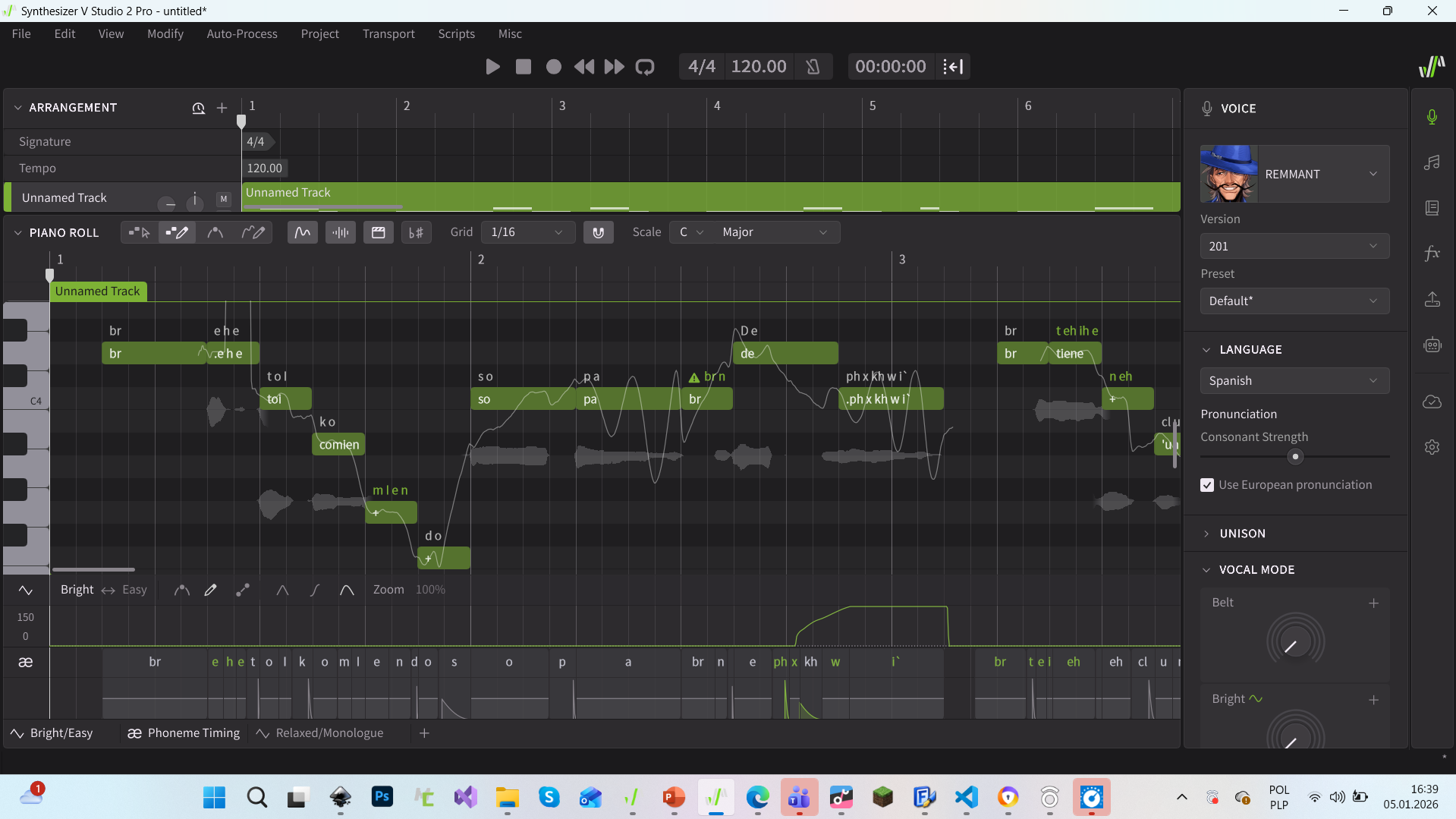
 REMMANT absorbing January attention actually helps this
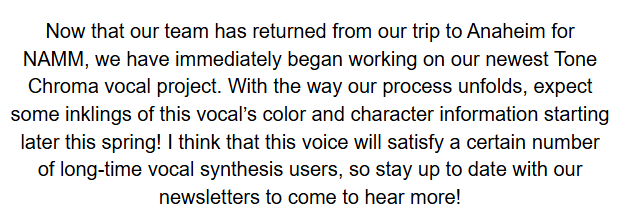
 This explains the lack of a clear French voicebank hint