For me, the most wanted new feature on SynthV is simply to add support for more, many more languages. As such, I wonder how far the devs can push, but I also worry if there are phonetic features of human voices that SynthV would have a hard time adding support, or even if there are impossibilities. Specifically, such features I’m worried about are, from the mildest to severe:
-
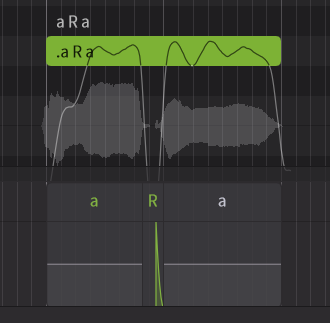
Trill consonants. Currently, there is only one dedicated trill consonant that SynthV has implemented, namely the Spanish rr /r/. Internally, the consonant is classified by SynthV as a “liquid”, and I doubt this is a right classification. Indeed, I’ve seen some native Spanish-speaking users complaining about the consonant not being pronounced well. As such, I worry if SynthV won’t implement other trill consonants, namely /ʙ/, /ʀ/, /ʜ/, and /ʢ/, in the future, well.
-
Consonant clusters. As far as I’ve experienced, savage consonant clusters always made SynthV suffer. A notorious English example word is “sixths”, and there are other languages featuring even more savage ones. Polish is a well-known one, but I’d say that is a mild one, compared to Georgian. And on the extreme, there’s Nuxalk.
-
Non-pulmonic consonants. They’re further classified as clicks, implosives, and ejectives. All of them lie outside of SynthV’s classification of consonants. Languages featuring clicks include Zulu, those featuring implosives include Vietnamese, and those featuring ejectives include Navajo. I deeply worry if they’re actually impossible for SynthV to implement.
Are there arguments against my worries for a relief? And are there any other phonetic features that SynthV would have a hard time implementing?
Uvular consonants. 204b1 voicebanks struggle with them. Liam can get them sorta well (but still maybe 50% success rate, sometimes replaces them with a lisp s or t, sounds like he has a lisp - but if I force him to say /ɢ/ he says it correct like maybe 90% of the time) but other voicebanks are really, really bad at the uvular sounds. All other voicebanks make this lisp sound all the time and there doesn’t seem to be a way to remove it
1 Like
Retracted /s/. It is acoustically something in between s and sh. This sound is found in Scottish English, Greek, Castillian Spanish, Finnish, Icelandic, Danish among others.
Right now in order to mimic it I use either English ‘sh’ [ʃ] or Japanese ‘sh’ [ɕ] and an EQ filter after to cut some of the lower frequencies (post rendering)
1 Like
Finally, someone who knows what a retracted S is!!! REMMANT has it as a “tik językowy” but not as an actual phoneme.
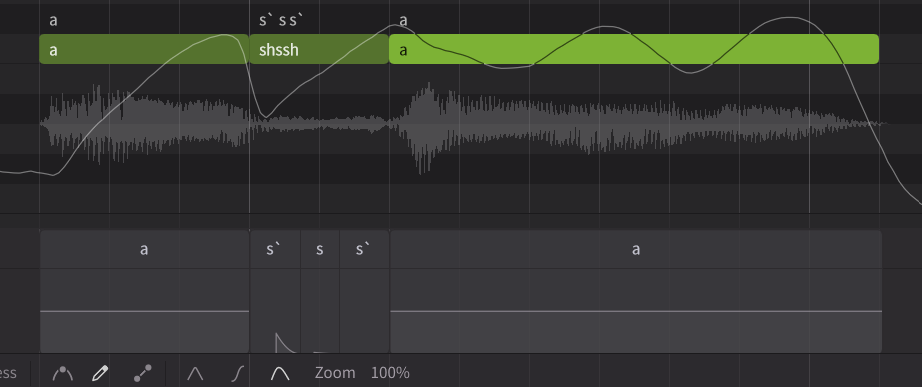
I just type “shssh” into a Mandarin Chinese box (has to be this exact spelling, other versions like "shshsh or “shsh” won’t work) and I make the note like 1/16 or 1/32 note length. If it sounds too much like sh, adjust the timing. Works with Liam (the voicebank I use since 2.3.0tp1 to emulate unsupported languages as he has the best uvular pronunciation and his German O/E sounds Polish) and with timing fixes will also work for other voicebanks
also Gender parameter on sh sounds works for some voicebanks. check out my Greek cover
Mo Chen 2 -Thelo na me nioseis (Greek pronunciation test)
Some of the of those sigmas sound perfect, some sound weird. personally, I find that method too cumbersome/random.
Just using sh, in the render: export as separate .wav files for the fricative and voiced sounds. then apply an eq on all the sh instances seems more efficient, example here. if it sounds too hushed then cut more, if its too sharp then cut less, so you got total control
I no longer use the gender method, as just like you said, some results sound weird. But the one I use for just mixing the Chinese one with other languages, I can get the right sound. When I made this Greek cover, this was my first time ever reproducing this sound.
Currently there is no SynthV phoneme that is a /ɢ/, so how do you emulate it? Also, does that mean you can emulate /q/ as well?
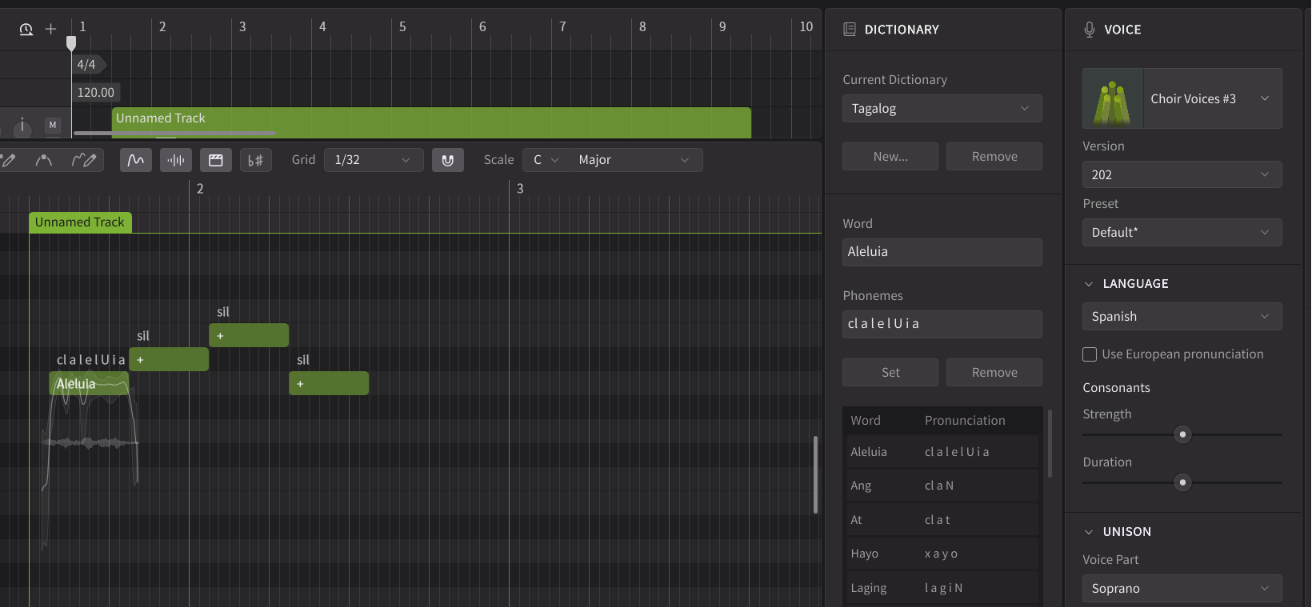
This one here, putting cl in the library do not work for multisyllabic words
yes I can. I can hack the /ɢ/ and sometimes /q/ from German R (and sometimes French R), and also /q/ can be from Portuguese X
just don’t make it too wide as you get a d or th and it will sound like a lisp